
What Happens to Your Rubbish After Collection?
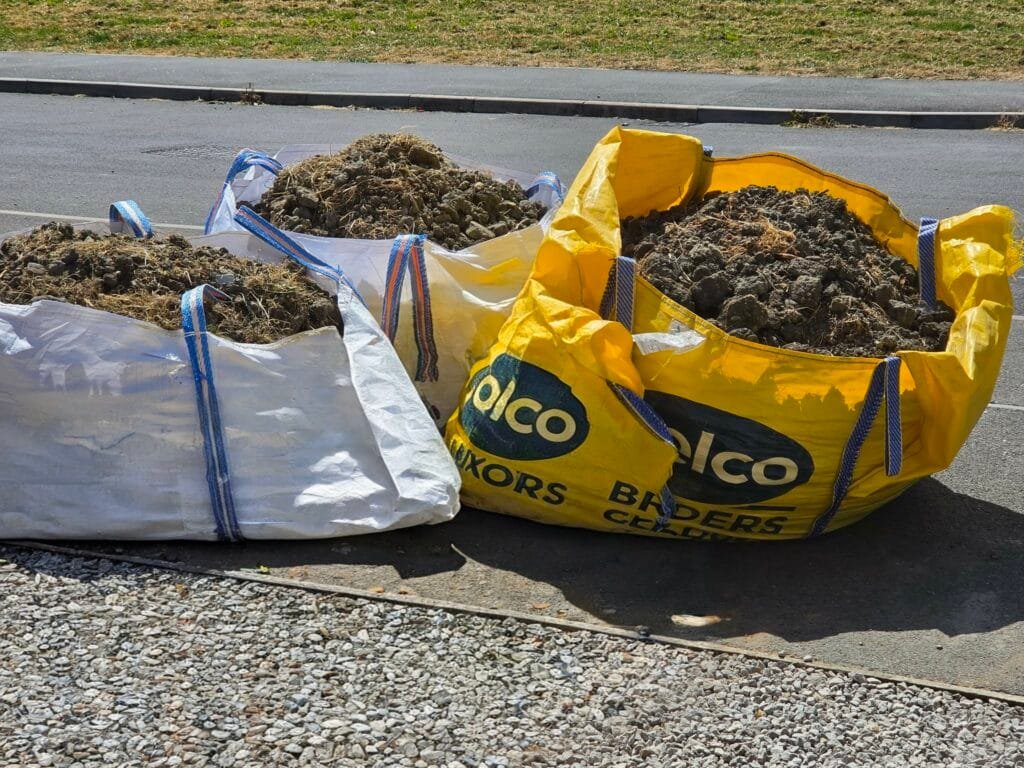
When Kruze collects your rubbish it does not go to one big hole in the ground. It goes to a licensed transfer station where it is tipped, sorted and split into separate waste streams, and as much of it as possible is recycled. Some items are legally required to take their own route: upholstered sofas and armchairs have to be incinerated under POPS rules, fridges have to be degassed before anything else happens to them, and electricals go down the WEEE route. Kruze is a registered waste carrier (CBDU597687) and every collection comes with a waste transfer note, which is the paper trail proving your rubbish was handled legally. Man and van collections start from £24.99. If a collector cannot tell you where your waste ends up, that is worth asking about before you hand it over.
Where does your rubbish actually go?
The van does not drive straight to landfill. It drives to a licensed waste transfer station, which is a permitted site set up to receive, sort and bulk up waste before it moves on.
At the transfer station a mixed load gets broken down into streams. Metal comes out for scrap. Clean timber goes for chipping. Cardboard and paper are baled. Rubble and hardcore go for crushing and reuse as aggregate. What is genuinely left over after all that, the stuff with no recycling route, is what goes on to energy recovery or landfill.
This is the honest bit: nobody recycles 100 percent of a mixed household load, and any company claiming they do is telling you what you want to hear. What a good operator does is sort properly so the recyclable fraction actually gets recycled rather than the whole lot being binned because it was quicker.
What happens to a sofa?
Sofas are the strangest one, and the answer surprises most people. Your old sofa cannot be recycled and it cannot go to landfill either. It has to be incinerated.
That is because upholstered domestic seating is treated as containing POPS, which stands for persistent organic pollutants. These are chemicals used historically in flame retardants that do not break down in the environment. Government guidance requires waste upholstered domestic seating to be kept separate from other waste and sent for incineration rather than landfilled or recycled. You can read the rules in the government guidance on upholstered domestic seating containing POPS.
In practice that means sofas, armchairs, sofa beds, futons and office chairs with fabric seats travel separately and are charged per item rather than by the bagful. It is also why a sofa cannot legally be thrown in a skip with everything else. Sofa collections start at £54 for a single seat and £72 for a two seater. See sofa and upholstery removal for the full list.
What happens to a mattress?
Mattresses are handled separately too, but for completely different reasons, and it is worth correcting a common myth here. A household mattress is not a POPS item. Anyone telling you your mattress costs extra because of POPS has got it wrong.
The real reasons are practical. Skips and compactors refuse mattresses because the springs will not compact and the foam springs straight back, so one mattress can waste a huge amount of space in a load. And a mattress that is recycled properly goes to a specialist facility that strips it into its parts: steel springs for scrap, foam for carpet underlay and re-use, and fibres and textiles separated out.
That specialist handling is why mattresses are priced per item, from £45 for a single and £60 for a double.
What happens to a fridge or freezer?
Fridges and freezers cannot simply be crushed. They have to be degassed first by a licensed facility, because the refrigerant gases and the insulating foam are harmful to the atmosphere if released.
Once the gases are safely recovered, the unit is stripped and the metal and plastics are recycled. This is a regulated process with its own cost attached, which is why a fridge is not the same price as a bag of general waste. Fridge and freezer collections start from £60. Again, this is nothing to do with POPS.
What happens to old electricals?
Anything with a plug or a battery is WEEE, which stands for waste electrical and electronic equipment. Televisions, monitors, washing machines, microwaves, kettles, power tools and cabling all fall into this category.
WEEE is kept out of general waste and sent to authorised treatment facilities, where units are dismantled and the metals, plastics and circuit boards are recovered. Screens and older televisions need particular care because of the materials inside them.
If you are getting rid of a computer, wipe or remove the drive before it leaves your house. We move the hardware, we do not wipe your data. See WEEE and electrical waste recycling.
Which route does each item take?
| Item | Where it goes | Why |
|---|---|---|
| Sofa, armchair, fabric office chair | Separate collection, then incineration | POPS rules, cannot be recycled or landfilled |
| Mattress and divan base | Specialist mattress recycling | Springs will not compact, parts separated for recycling |
| Fridge and freezer | Degassing facility, then recycling | Refrigerant gases must be recovered safely |
| TVs, computers, appliances | WEEE treatment facility | Electricals are kept out of general waste |
| Metal, cardboard, clean timber, rubble | Sorted at transfer station for recycling | Established recycling routes for each |
| Genuinely mixed leftovers | Energy recovery or landfill | No viable recycling route |
What is a waste transfer note and why does it matter to you?
A waste transfer note is the record of what was collected, who collected it, their carrier registration and where the waste went. We issue one on every job.
It matters because of the duty of care. If you hand your rubbish to someone unlicensed and they fly-tip it in a lay-by, the investigation follows the waste back to you. Your name is on the letters found in it. Being able to show a transfer note from a registered carrier is what ends that conversation.
You can check any carrier free of charge on the Environment Agency public register. Ours is CBDU597687. It takes two minutes and it is the single best habit you can have when hiring anyone to take waste away.
What we cannot take
Being straight about this saves everyone a wasted trip. We do not carry asbestos ourselves, and no general waste carrier should offer to. What we can do is put you in touch with a licensed specialist who will handle it properly and issue the consignment note. We also do not take clinical or medical waste, and paint, solvents, chemicals, gas bottles and car batteries need a hazardous waste route rather than a normal collection.
If you are not sure what you have, send a photo before booking and we will tell you honestly, including if the answer is that someone else should do it.
Frequently asked questions
Does my rubbish go straight to landfill?
No. It goes to a licensed transfer station first, where it is sorted into separate streams and the recyclable material is pulled out. Only the fraction with no recycling route goes on to energy recovery or landfill.
Can I see proof of where my waste went?
Yes. That is what the waste transfer note is for, and you get one on every collection. Households should keep it, and businesses are legally required to keep theirs for two years.
Why does a sofa cost more than a bag of general waste?
Because it travels separately and must be incinerated under POPS rules rather than recycled or landfilled. That is a specific, regulated disposal route with its own cost.
How do I check Kruze is actually licensed?
Search CBDU597687 on the Environment Agency public register. It is free and takes about two minutes. Do the same for any company before you let them load your rubbish.
Get a fixed price
Send a photo of what needs collecting to 07436 120271 on WhatsApp and you will get a fixed price back, usually within minutes. Collections start from £24.99 and we do all the lifting, including from upstairs.
Written by Sandeep KV, Founder of Kruze. Kruze is a registered waste carrier with the Environment Agency, registration CBDU597687, operating across Leeds, Bradford, Halifax, Huddersfield, Wakefield, Harrogate and Barnsley. Last updated 23 July 2026.
See our full our mattress collection page for current prices and what we take.
Need it collected? Kruze offers household waste removal across Leeds and West Yorkshire. Licensed carrier CBDU597687, priced up front, all the lifting done for you.
Related guides