

10 Common Mistakes to Avoid While Moving
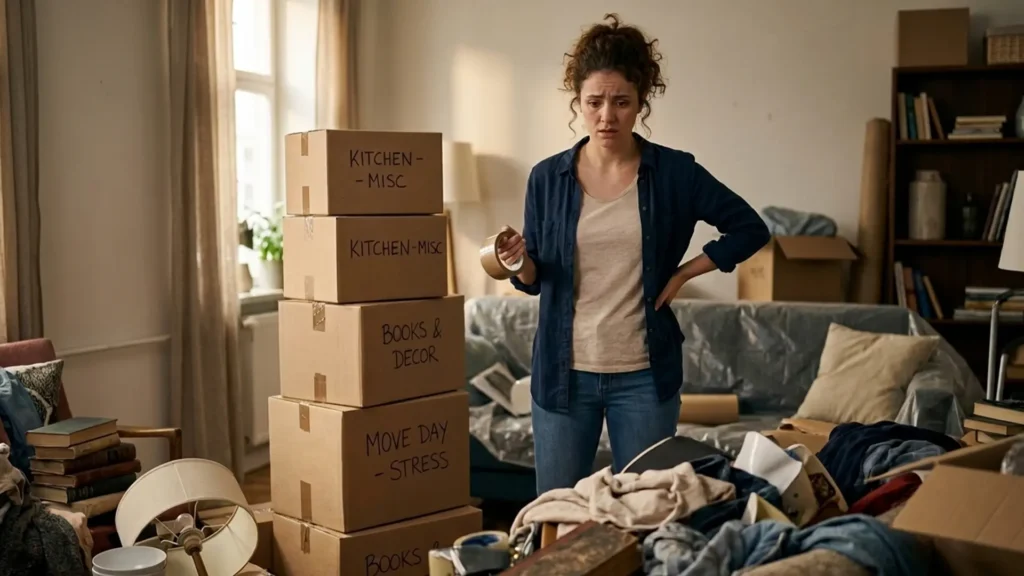
Moving home is consistently ranked as one of the most stressful life events a person can go through. Between the logistics, the emotional weight of leaving a familiar space, and the sheer physical effort involved, it’s no wonder that even the most organised people find themselves overwhelmed. But here’s the thing – most of the stress that comes with moving isn’t inevitable. A large portion of it stems from avoidable mistakes people make simply because they haven’t done this before or underestimated how much planning a successful move actually requires. At Kruze, we’ve helped countless families and businesses navigate their moves, and we’ve seen the same pitfalls come up time and time again. Here are the ten most common moving mistakes and, more importantly, how to avoid them.
1. Leaving Everything to the Last Minute
Procrastination is the number one enemy of a smooth move. Many people underestimate just how long it takes to pack an entire household, arrange removals, redirect mail, notify utilities, and handle all the administrative tasks that come with changing address. Leaving these tasks until the final week – or worse, the final few days – leads to rushed packing, forgotten items, and enormous stress. The solution is to start planning as early as possible, ideally six to eight weeks before your moving date. Create a moving checklist broken down by week, and tackle tasks in a structured, manageable order rather than trying to do everything at once when the pressure is at its peak.
2. Not Decluttering Before You Pack
One of the biggest mistakes people make is packing up everything they own without first deciding what actually deserves to make the journey. Moving is one of the best opportunities you’ll ever have to declutter, and failing to take advantage of it means you’re paying to transport items you no longer want or need, unpacking clutter into your new home, and adding unnecessary volume and weight to your load. Before you pick up a single box, go through every room and be ruthless. Donate what’s in good condition, sell what has value, and dispose of what’s broken or worn out. You’ll be amazed how much lighter – both literally and emotionally – the move feels as a result.
3. Underestimating How Many Boxes You’ll Need
Almost everyone who has moved before has experienced the sinking feeling of running out of boxes halfway through packing. People consistently underestimate the number of boxes required, which leads to last-minute runs to find more, delays in packing, and sometimes items being transported loosely or improperly because there simply wasn’t enough packaging material. A good approach is to estimate how many boxes you think you’ll need, then add at least twenty to thirty per cent on top of that figure. It’s always better to have boxes left over than to run short. Also stock up on packing tape, bubble wrap, packing paper, and markers from the start so you’re not making repeated trips to the shops mid-pack.
4. Packing Without a System
Throwing items randomly into boxes with no clear logic might feel productive in the moment, but it creates enormous headaches at the other end. When everything is mixed together – kitchen items in with bathroom supplies, children’s toys packed alongside office documents – unpacking becomes a chaotic and time-consuming process. The solution is to pack room by room, keeping items from the same space together in the same boxes. Label every box clearly on multiple sides with both the room it belongs to and a brief description of its contents. Consider numbering your boxes and keeping a simple inventory list so you can quickly identify if anything goes missing during transit.
5. Failing to Protect Fragile Items Properly
Fragile items that aren’t packed correctly are almost guaranteed to suffer damage during a move. Glassware wrapped loosely in a single sheet of paper, electronics placed in boxes without adequate cushioning, mirrors leaning unprotected against furniture – these are all accidents waiting to happen. Every fragile item should be individually wrapped in bubble wrap or foam sheeting, packed with sufficient void-filling material so nothing shifts inside the box, and clearly labelled as fragile. For high-value or irreplaceable items, consider whether specialist packing or crating is appropriate. The few extra minutes it takes to pack fragile items properly is always worth it compared to the cost – financial and emotional – of dealing with breakages.
6. Not Measuring Furniture and Doorways
This is a mistake that seems obvious in hindsight but catches people out surprisingly often. Arriving at your new home only to discover that your sofa won’t fit through the front door, or that your wardrobe is too tall for the bedroom ceiling, is both frustrating and costly. Before moving day, measure all your large furniture pieces and compare them against the doorways, staircases, hallways, and room dimensions of your new property. If you’re hiring removals professionals, share these measurements with them in advance so they can plan accordingly. In some cases, you may need to disassemble furniture before the move – knowing this ahead of time saves significant time and stress on the day itself.
7. Not Hiring Professional Help When You Need It
There’s an understandable temptation to save money by doing everything yourself – borrowing a van, roping in friends and family, and managing the whole move without professional assistance. For small moves with minimal furniture, this can work well. But for larger households, long-distance moves, or situations involving heavy, bulky, or fragile items, attempting to manage without professional help often ends up costing more in the long run through damaged belongings, injuries, or the sheer time and effort involved. Professional movers bring experience, the right equipment, and the physical capacity to handle a move efficiently and safely. At Kruze, our team is trained to handle moves of all sizes with care and professionalism, so you can focus on the excitement of your new beginning rather than the logistics of getting there.
8. Forgetting to Notify Important Contacts
In the midst of the physical chaos of moving, it’s easy to forget the administrative side but failing to update your address with key contacts can cause real problems down the line. Banks, insurance providers, the DVLA, your GP, your employer, HMRC, and subscription services all need to know about your change of address. The Royal Mail offers a mail redirection service which provides a useful safety net, but it shouldn’t be relied upon as a substitute for notifying contacts directly. Create a list of every organisation and individual who has your current address, and work through it methodically in the weeks before and immediately after your move. It’s a small task that prevents a disproportionate amount of hassle later.
9. Not Taking Out Adequate Insurance
Even with the most careful packing and the most experienced movers, accidents can happen during transit. Furniture gets scratched, items get lost, and in rare cases, things get damaged beyond repair. Many people assume their home contents insurance covers items during a move, but this is often not the case standard policies frequently exclude items in transit. Before your moving day, check your insurance policy carefully and, if necessary, arrange specialist moving insurance or confirm that your removals company provides adequate cover. The cost of a good insurance policy is minimal compared to the potential cost of replacing valuable items without any cover.
10. Not Having an Essentials Box Ready
This final mistake is one that almost everyone makes on their first move and vows never to repeat. When you arrive at your new home, exhausted after a long day of heavy lifting and logistics, the last thing you want to do is dig through dozens of boxes to find your phone charger, toothbrush, kettle, tea bags, toilet paper, or a change of clothes. Pack a clearly labelled essentials box or bag that travels with you rather than on the removal van, containing everything you’ll need for the first twenty-four hours in your new home. Include toiletries, a change of clothes, important documents, chargers, basic kitchen supplies, snacks, and anything else you know you’ll reach for immediately. This one small act of foresight makes the transition into your new home feel far more comfortable and human.
Moving doesn’t have to be the ordeal it’s so often made out to be. With the right planning, packing, and people by your side, it can be a smooth and even exciting transition. Avoiding these ten common mistakes will put you firmly on the path to a move that goes to plan and at Kruze, we’re here to help make that happen every step of the way
Avoid all ten
Your mistake-proof moving checklist
Tick as you go. It prints as a clean list (Ctrl+P or Cmd+P).
One step for each mistake
Start 6 to 8 weeks beforeMoving soon? Kruze Move handles man and van removals and two men and a van across Leeds and West Yorkshire, fully insured with the heavy lifting done for you.
Related guides